Back home

MY TRAVELS!!

Exploring the world...

I pay close attention to how technology shapes everyday life overseas.

When I travel, I naturally study the products people rely on in daily life. I am especially interested in how local consumer behavior, infrastructure, and culture shape the way technology is adopted.

Hong Kong

February 2025

Sydney

May 2025

Chongqing

December 2025

Japan

May 2026

Johor Bahru

July 2026

Field Notes

Five places that changed how I study products.

Travel notes on what I noticed, why it mattered, and what stayed with me as a builder.

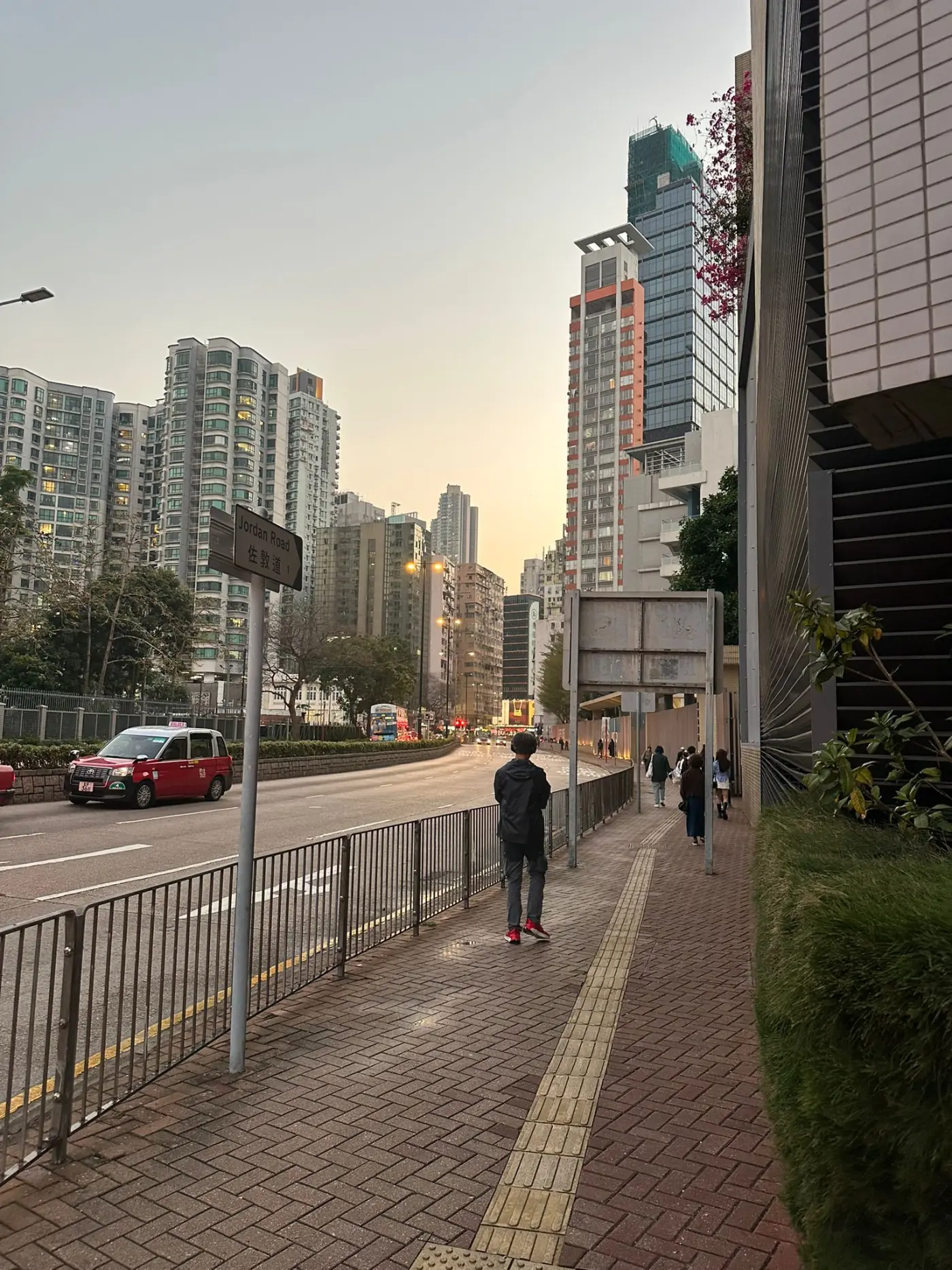
Hong Kong skyline during Kasey's February 2025 trip

01

Hong Kong

February 2025

Dense urban life, food discovery, and products that quietly shape everyday decisions.

Hong Kong sharpened the way I think about product usefulness in dense cities. Everyday life there moves quickly, and the best products feel deeply embedded into routine rather than layered on top of it. I found myself paying attention to how discovery, convenience, and trust were built into ordinary consumer decisions.

As a foodie, I kept returning to OpenRice to explore neighborhoods, cuisines, and restaurants I would never have found on my own. That experience made me think more seriously about discovery products, especially how software can influence where people go, what they try, and how smaller food businesses get surfaced.

Technology feels strongest when it becomes part of everyday habit.

Food discovery is not just content. It shapes foot traffic and local demand.

OpenRice became one of the clearest inspirations behind Hawkerly.
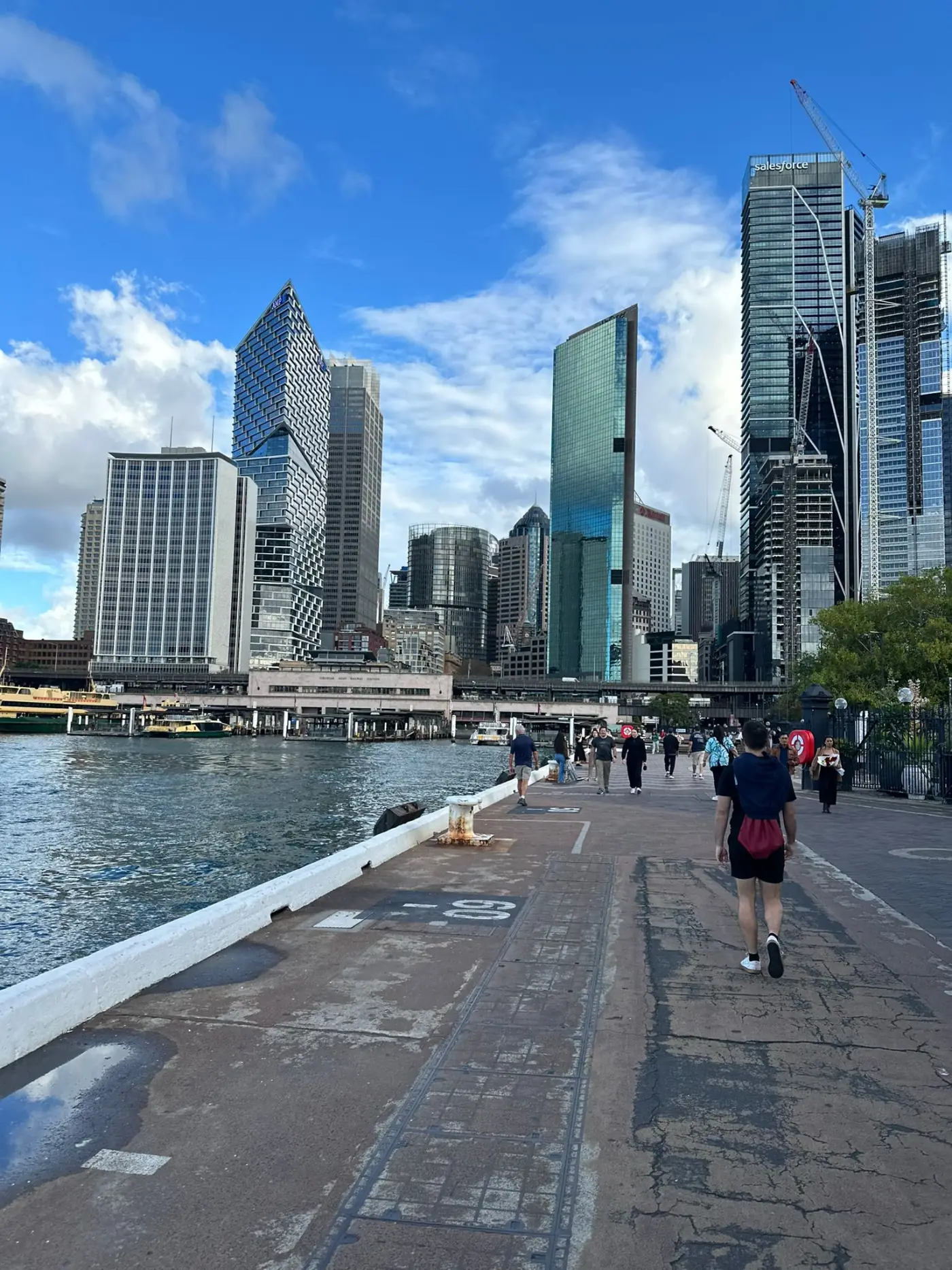
Sydney waterfront during Kasey's May 2025 trip

02

Sydney

May 2025

A reminder that thoughtful systems design often shows up in calm, ordinary user experience.

Sydney made me think about product quality from a different angle. Instead of speed and density, what stood out to me was how much good technology disappears into the background. The best experiences felt calm, legible, and reliable, which is a useful reminder that product maturity is often reflected in clarity rather than spectacle.

Travelling there reinforced an important habit for me: whenever I use a product in a new city, I ask not just whether it works, but why it fits that environment so well. That kind of observation helps me think more clearly about what should and should not be translated back into Singapore.

Good design often feels quiet, not loud.

Clear systems can matter more than feature density.

Context matters: not every good product idea should be copied directly.

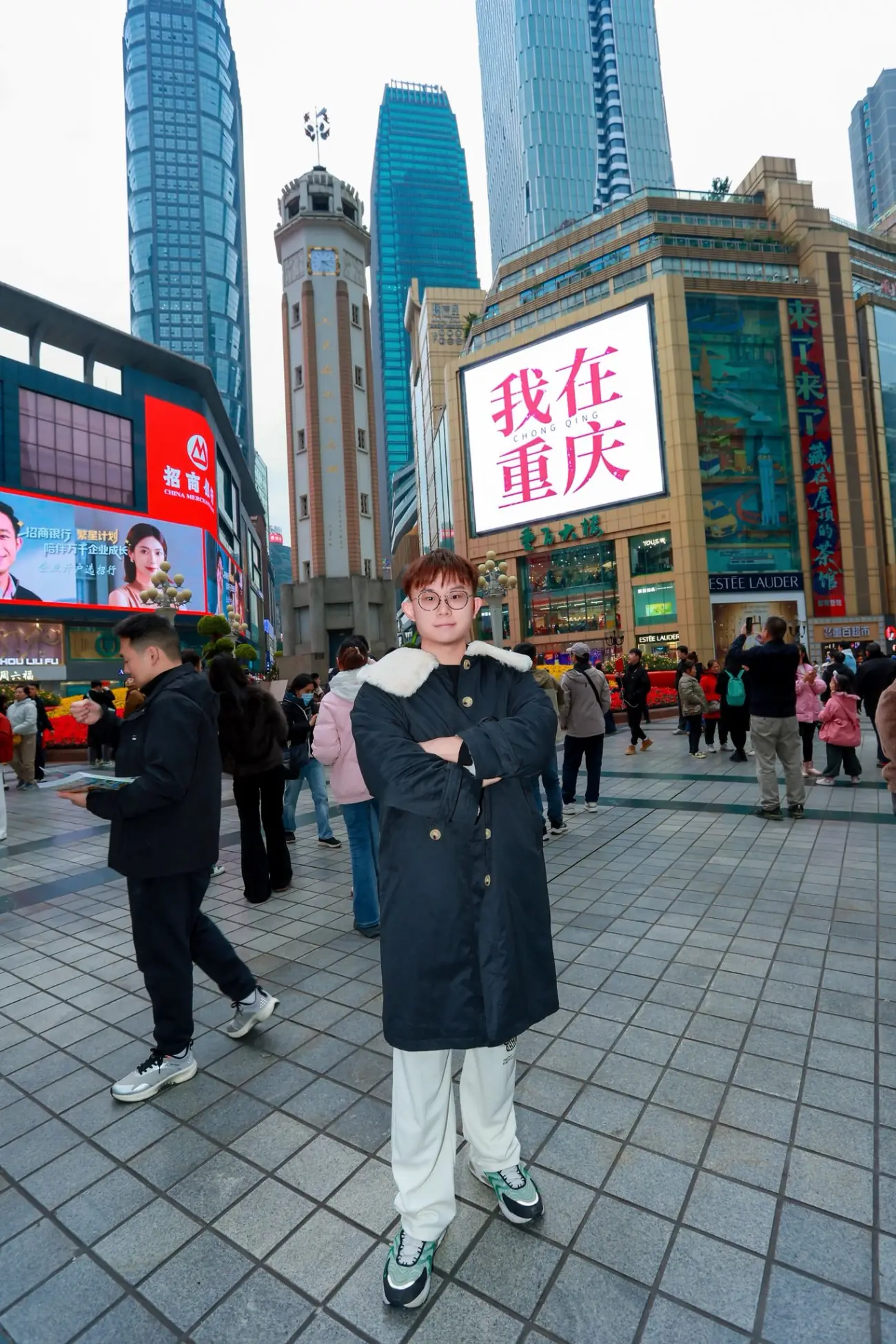
Chongqing cityscape during Kasey's December 2025 trip

03

Chongqing

December 2025

Scale, local commerce, and fast-moving urban behavior through the lens of technology.

Chongqing reminded me how dramatically local scale changes product expectations. In a city where movement, food, and commerce happen at an intense rhythm, technology becomes a layer of coordination as much as convenience. I kept thinking about how local platforms shape not just transactions, but how people discover and navigate entire urban ecosystems.

That was especially interesting from a builder perspective. It pushed me to think harder about aggregation products, recommendation systems, and what it means to help users discover high-quality options in environments where there is simply too much choice to navigate manually.

Scale changes what “good UX” means.

Discovery products become more valuable as choice overload increases.

Dense food ecosystems create strong opportunities for aggregation and recommendation.

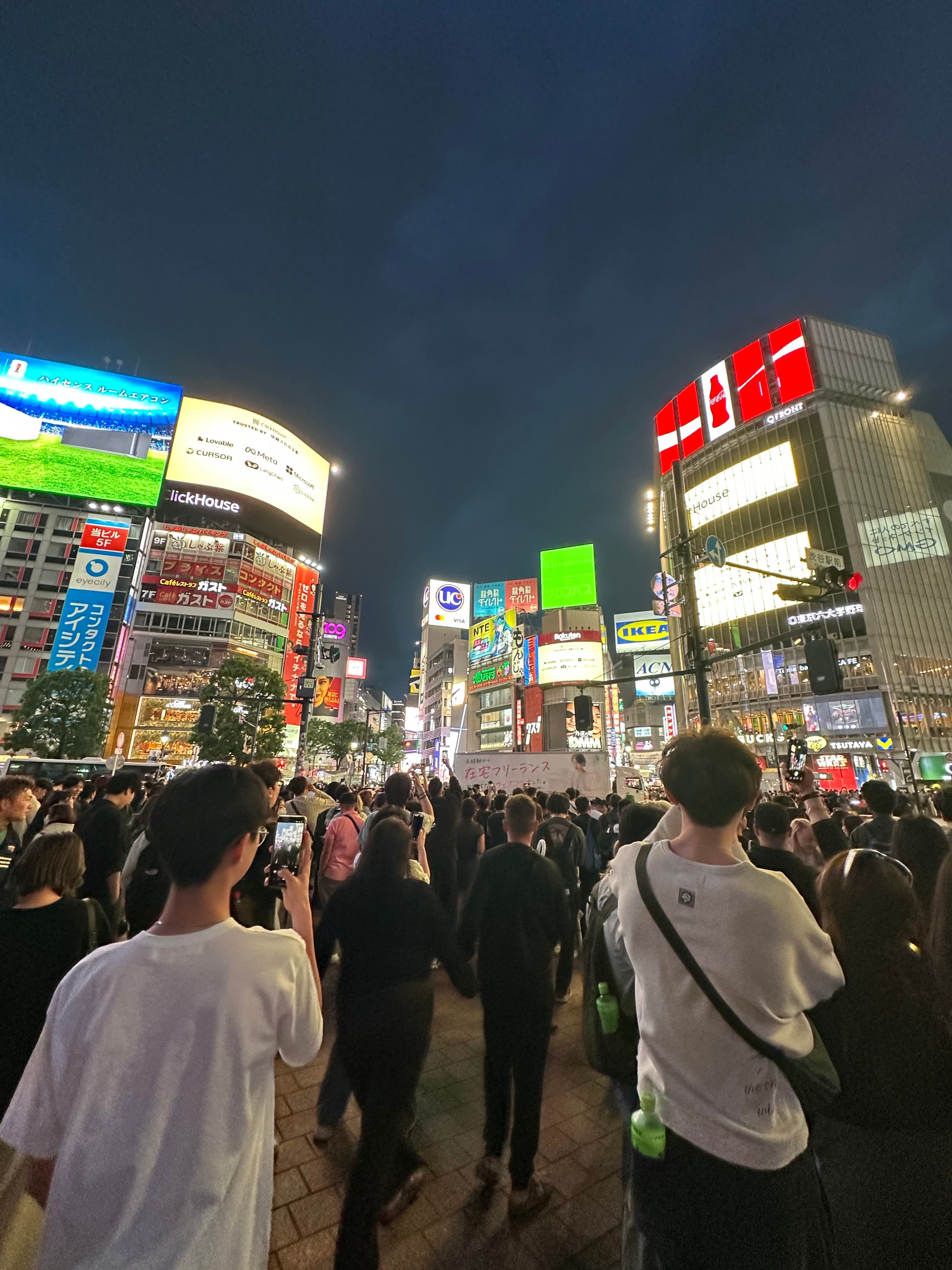
Japan travel photo from Kasey's May 2026 trip

04

Japan

May 2026

Thoughtful systems, careful hand-offs, and the small details that make everyday experiences feel dependable.

Japan made me pay attention to how physical and digital systems reinforce one another. From navigation and ticketing to retail and food ordering, the strongest experiences reduced uncertainty without demanding attention. Clear signs, predictable steps, and careful hand-offs made unfamiliar places easier to understand.

I also kept noticing that good systems were not always the most technologically ambitious ones. Sometimes a focused tool, a visible process, or a well-designed human interaction worked better than another app. That is a useful product lesson: technology should support the surrounding experience, not replace every part of it.

Trust is built through many small, consistent interactions.

The best technology works with physical systems and human service.

Reducing uncertainty can matter more than adding more features.

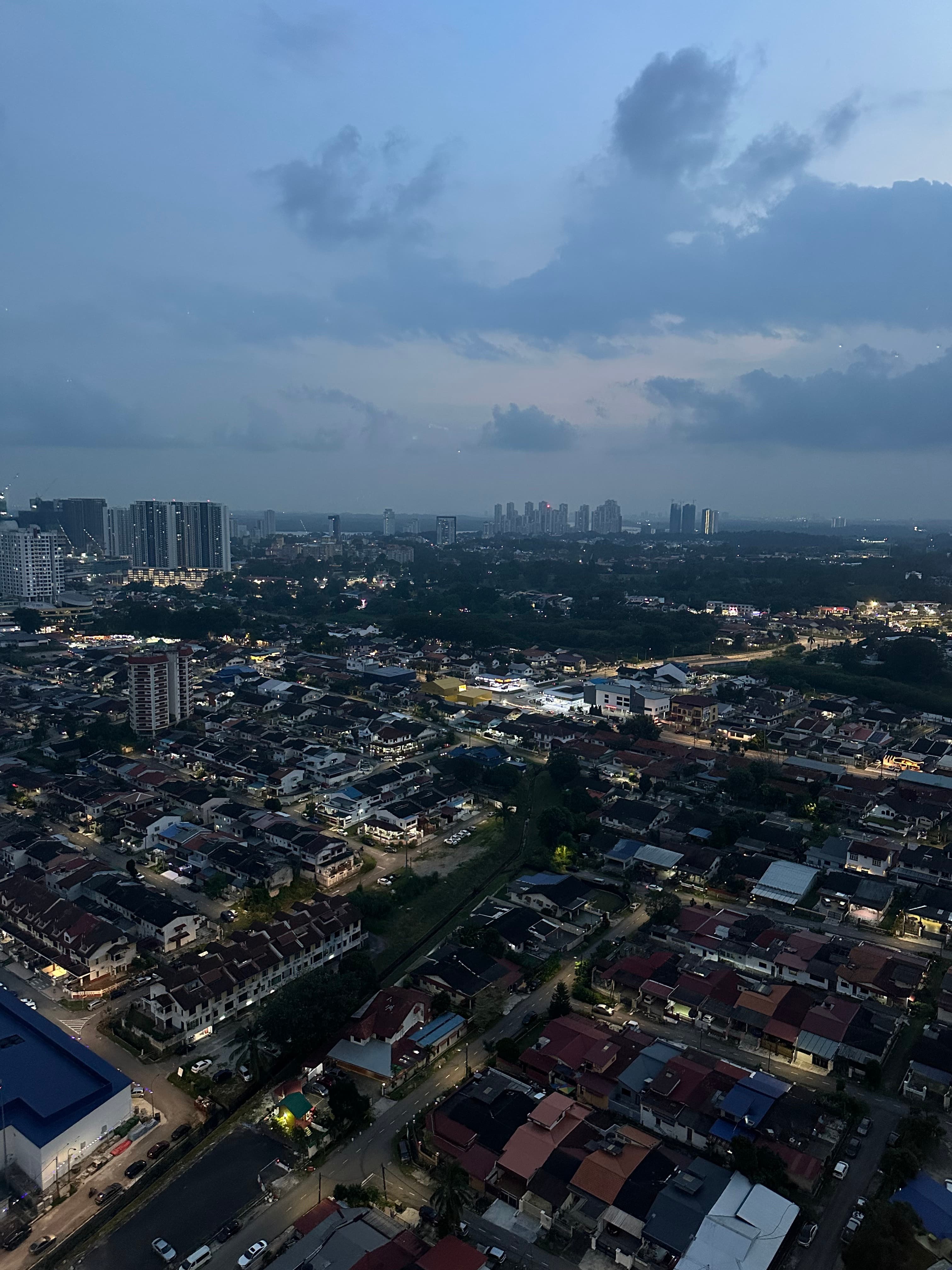
Johor Bahru at night during Kasey's July 2026 trip

05

Johor Bahru

July 2026

A football trip that became a small lesson in expectation, disappointment, and why the ritual still counts.

I went to Johor Bahru to watch France play Spain in the 2026 World Cup semi-final. Spain won 2–0. That is the clean version of the story.

The messier version is that I had turned the match into a small event in my head before it even started. It was a World Cup semi-final, it was France against Spain, and I was crossing the border to watch it, so the trip felt bigger than another fixture on a screen.

I wanted a France performance worth the effort and the tension that makes a knockout game feel dangerous right until the end. Instead, Spain scored twice, France never found a goal, and the match slowly became one of those nights where hope leaves before the final whistle does.

There is a particular kind of disappointment when the result does not feel like a robbery. Spain were simply better at controlling the game and turning their moments into a lead, which left me with nothing dramatic to blame except the scoreboard.

Supporting a team is a terrible little investment model. You put time, travel, sleep, and emotion into an outcome you have absolutely no control over, then try to calculate the effort backwards when it goes badly.

With a bit of distance, I do not think the trip was wasted. Football is partly the match and partly the ritual around it: choosing to go somewhere, building anticipation, sharing the tension, and remembering exactly where you were when the result landed.

I would obviously prefer the memory where France won, but this is the story I have now: I went to JB for a World Cup semi-final, trusted France to make it worth it, and watched Spain send them home. That is sport, unfortunately; the possibility of a special night is the same possibility that lets it become deeply annoying.

The ritual around an event can matter even when the result is disappointing.

A bad outcome does not automatically make the decision to go a bad one.

France lost 2–0, but the trip still became a memory worth keeping.

Hawkerly

From travel observations to Hawkerly

One of the clearest examples of this thinking is Hawkerly, a business I am co-founding with a friend. The idea came from repeatedly using products like OpenRice and Meituan while travelling, then realizing that Singapore still has a major discovery gap around hawker food and food courts.

Hawkerly is our attempt to bring that style of discovery to Singapore in a way that fits local eating habits. It aggregates and recommends hawker foods so people can find dishes and food courts they may otherwise never have heard about. For me, this is what makes travel exciting: it is not just personal experience, but a source of product insight that can be adapted into something useful at home.